Get Fallen Tree Removal
Local contractors can handle fallen tree removal, cleanup, and safety clearing to protect property and prevent damage.
Fallen tree removal is a common concern for property owners seeking to maintain safety and preserve the appearance of their outdoor spaces. Whether a tree has been damaged by storms or has reached the end of its natural life, removing it properly can prevent potential hazards and make way for new landscaping or construction projects. If you're exploring options for this work, you're in the right place to find reputable local contractors who specialize in safe and efficient tree removal services.
Comparing different service providers in the area can help ensure the work is handled professionally and in accordance with local standards. Many property owners consider fallen tree removal to improve property safety, clear space for future plans, or simply restore the landscape after a storm. Keep reading to learn more about how local service providers can assist with your project and what to consider when choosing the right partner for your needs.
- Hazardous Tree Removal - when a tree poses a risk to nearby structures or safety.
- Storm-Damaged Tree Clearing - after severe weather events have caused trees to fall or become unstable.
- Overgrown Tree Trimming - to maintain tree health and prevent potential hazards from overgrowth.
- Dead Tree Removal - when a tree has died and needs to be safely removed to prevent decay or falling hazards.
- Property Line Tree Clearing - to resolve disputes or manage trees that encroach on neighboring properties.
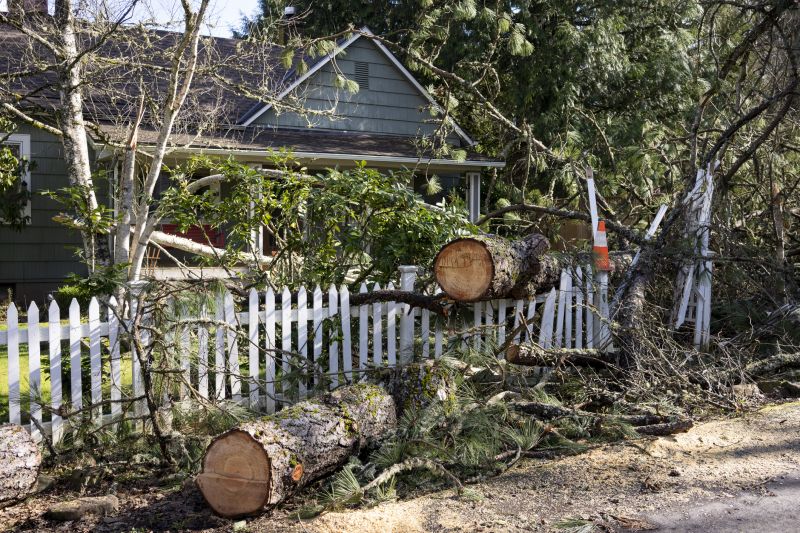
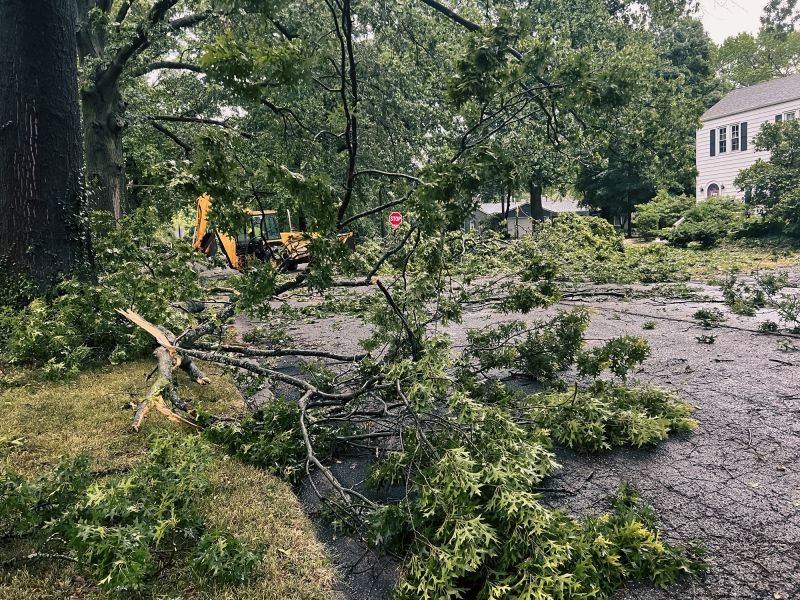
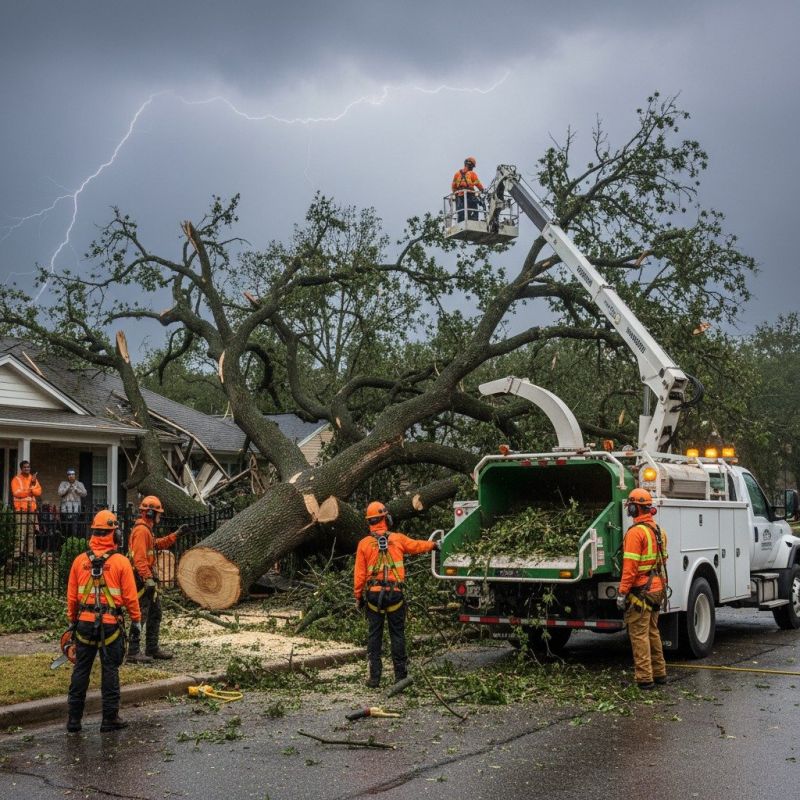
Fallen tree removal services involve the safe and efficient clearing of trees that have toppled, partially fallen, or are at risk of falling on a property. This process typically includes assessing the situation, planning the best approach for removal, and using specialized equipment to carefully dismantle or extract the tree. Professional contractors prioritize safety and precision to prevent damage to surrounding structures, landscaping, or utility lines during the removal process. These services are essential when a tree has become unstable due to weather events, disease, or age, creating a hazard that needs prompt attention.
Many problems can be addressed through fallen tree removal, including blocking driveways, damaging fences, or posing safety risks to residents and visitors. A fallen tree can also obstruct access to homes or critical pathways, making it difficult to navigate or perform routine maintenance. Additionally, if a tree has caused damage to a roof or other parts of a property, removal may be necessary to prevent further deterioration or injury. Local contractors can evaluate the situation and determine whether removal is the best solution to restore safety and accessibility.
Fallen tree removal services are commonly used on residential properties, especially those with mature trees near homes, driveways, or utility lines. Commercial properties, parks, and public spaces also frequently require these services to maintain safety and accessibility. Properties situated in areas prone to storms or high winds are particularly likely to need fallen tree removal, as these conditions increase the risk of trees toppling unexpectedly. Homeowners and property managers who notice a fallen or leaning tree should consider reaching out to local service providers to assess and handle the situation promptly.
Choosing the right fallen tree removal service ensures that the job is completed safely and efficiently. Local contractors are equipped to handle different types of trees and property layouts, providing tailored solutions for each situation. Whether a tree has fallen completely or only partially, these professionals can remove debris and clear the area to restore safety and functionality. Contacting experienced service providers helps ensure that fallen trees are managed properly, minimizing potential damage and reducing hazards on residential or commercial properties.
The overview below groups typical Fallen Tree Removal projects into broad ranges so you can see how smaller, mid-sized, and larger jobs often compare in your area.
In many markets, a large share of routine jobs stays in the lower and middle ranges, while only a smaller percentage of projects moves into the highest bands when the work is more complex or site conditions are harder than average.
Small Tree Removal - Typically ranges from $250 to $600 for many smaller jobs. Most routine removals fall within this middle range, with fewer projects reaching the higher end of the spectrum. Local contractors can provide estimates based on tree size and accessibility.
Medium to Large Tree Removal - Costs generally range from $600 to $1,500 depending on the tree's size, location, and complexity. Larger, more complex projects can exceed this range, especially if equipment access is limited or multiple trees are involved.
Stump Grinding and Removal - Expect prices between $100 and $400 per stump. Many standard stump removals land in the lower to mid-range, though larger stumps or those in hard-to-reach areas may push costs higher.
Full Tree Removal and Land Clearing - Larger jobs can cost $2,000 or more, with complex projects reaching $5,000+ depending on the scope. These projects are less frequent but handled regularly by local service providers for extensive land clearing needs.
Actual totals will depend on details like access to the work area, the scope of the project, and the materials selected, so use these as general starting points rather than exact figures.
Stump Grinding - professionals utilize similar tools and techniques to safely remove tree stumps after fallen trees are cleared.
Emergency Tree Care - local contractors handle urgent tree removal and stabilization projects that require quick planning and equipment.
Site Clearing and Land Clearing - these projects involve removing multiple trees and debris, requiring similar skills in planning and heavy equipment operation.
Storm Damage Cleanup - service providers manage the removal of fallen branches and trees caused by storms, sharing techniques with fallen tree removal.
Tree Pruning and Trimming - skilled arborists prune remaining trees to ensure safety and health, often working in tandem with fallen tree removal efforts.
Brush and Debris Removal - contractors clear away fallen branches and debris, utilizing comparable tools and safety procedures as fallen tree services.
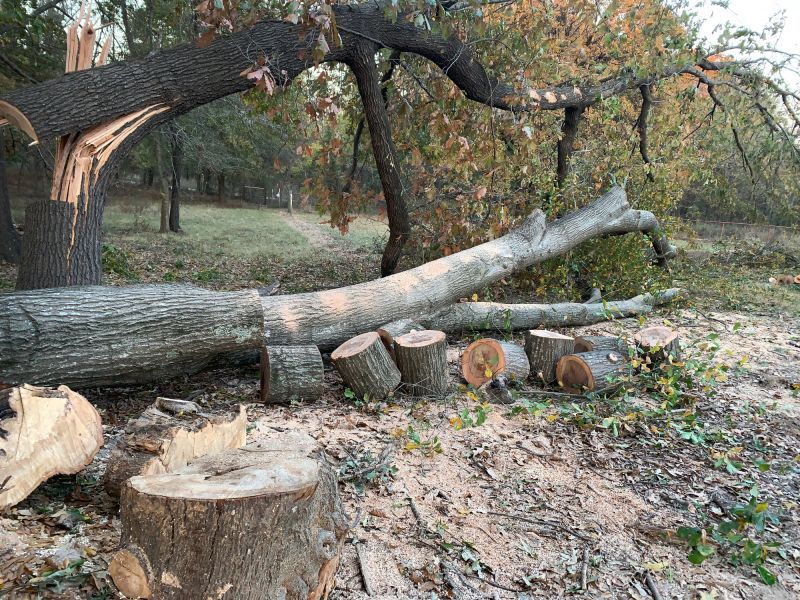
When comparing service providers for fallen tree removal, it’s important to evaluate their experience with similar projects. Homeowners should inquire about how many jobs they have completed that resemble their current needs, such as removing trees of a particular size or in specific locations around the property. An experienced contractor will have a clear understanding of the challenges involved and be better equipped to handle unexpected issues efficiently. Checking whether the service provider has a history of successfully completing similar work can provide confidence that the project will be managed professionally and competently.
Clear, written expectations are essential to ensure everyone is aligned on the scope of work. Homeowners should seek service providers who offer detailed estimates or proposals that outline the work to be performed, the materials or equipment that will be used, and any other relevant details. Having this information in writing helps prevent misunderstandings and provides a reference point throughout the project. It’s also advisable to ask how the contractor communicates about progress, potential issues, or changes to the plan, as good communication can make the process smoother and more predictable.
Reputable references and reviews are valuable tools for assessing a local contractor’s reliability and quality of work. Homeowners can ask potential service providers for references from recent clients or look for reviews on independent platforms. Hearing about others’ experiences can reveal insights into the contractor’s professionalism, punctuality, and the overall quality of their work. Additionally, good communication skills are often reflected in how promptly and clearly a contractor responds to questions or concerns. Choosing a local contractor with positive references and strong communication practices can help ensure the project proceeds smoothly and meets expectations.
Property owners use Fallen Tree Removal services for practical projects around their homes and businesses. This guide focuses on everyday jobs and straightforward project options.
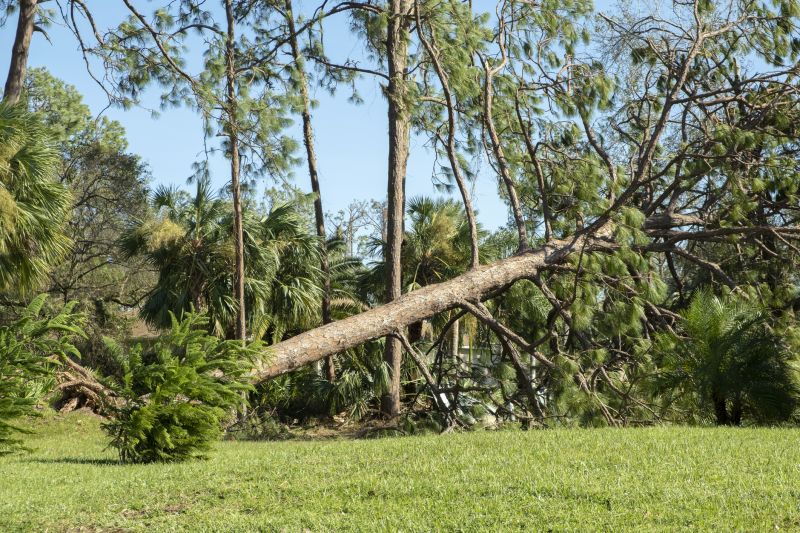
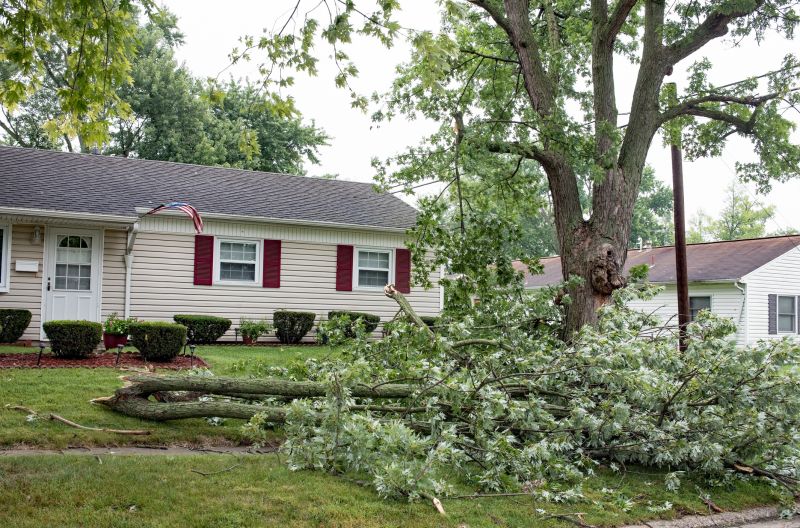
Fallen trees and large branches are common issues that property owners in the area may face after storms or strong winds. Clearing these hazards helps maintain the safety and appearance of a property, preventing potential damage to structures or landscaping. Local contractors specializing in fallen tree removal can handle a variety of situations, whether it’s removing a single fallen limb or clearing extensive debris from storm damage.
In addition to storm-related incidents, property owners might seek fallen tree removal services for ongoing landscape maintenance or to address safety concerns around their property. Overgrown or unstable trees can pose risks to people or nearby structures, prompting the need for professional assistance. Local service providers are equipped to evaluate the situation and safely remove fallen or hazardous trees to help keep properties secure and well-maintained.
What is fallen tree removal? Fallen tree removal involves the process of safely cutting and removing trees that have already fallen or are dangerously leaning to prevent damage or hazards.
When should I consider fallen tree removal? Fallen tree removal is typically needed when a tree has fallen onto property, obstructed pathways, or poses a safety risk to people or structures.
What types of trees can local contractors remove? Local contractors can handle removal of various tree types, including deciduous and evergreen species, regardless of size or location.
How do contractors handle fallen tree debris? Service providers usually handle debris by chopping the fallen tree into manageable sections and removing it from the property.
Why hire a professional for fallen tree removal? Hiring local pros ensures that fallen trees are removed safely and efficiently, reducing the risk of injury or property damage.
Tree Removal for Landscaping Improvements - Removing fallen or hazardous trees can enhance the safety and appearance of a yard, making space for new landscaping projects.
Clearing Debris After Storms - Local contractors can help remove broken or fallen trees after storms to restore access and safety around a property.
Preventative Tree Maintenance - Property owners can work with service providers to identify and remove weak or damaged trees before they pose a risk.
Creating Open Spaces for Recreation - Tree removal services can help create open areas for outdoor activities or installing new features like patios or play areas.
If you are thinking about Fallen Tree Removal for a property, this guide is meant to help you understand the work, the typical project types, and how different options might fit your plans.
When you are ready, you can use the quote form on this page to share a few details about your project. From there, local pros can review the basics and respond with options that match what you have in mind.