Dead Tree Removal in Allentown, PA
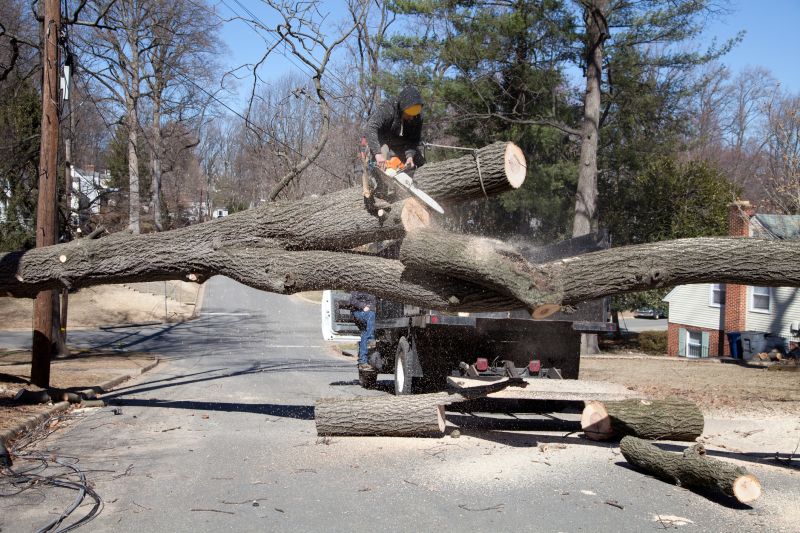
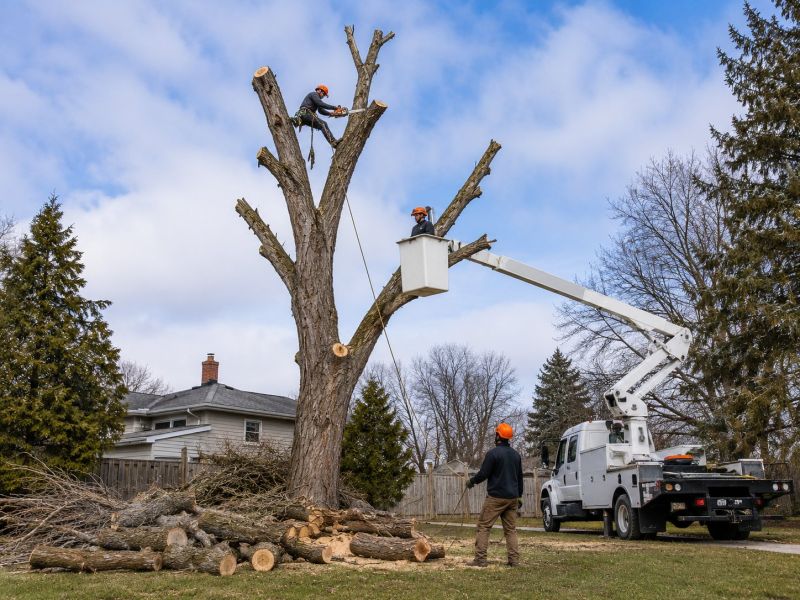
Dead tree removal services involve the safe and efficient removal of trees that are dead, dying, or pose a risk to surrounding property or structures. These projects typically include assessing the tree’s condition, planning the safest way to remove it, and performing the removal while minimizing impact on the surrounding landscape. Property owners often request this service when a tree shows signs of disease, extensive decay, or has become unstable, especially near homes, driveways, or power lines. Understanding the scope of the project, including potential impacts on the landscape and any necessary cleanup, helps homeowners make informed decisions about proceeding with removal.
Before requesting dead tree removal, property owners should consider the size and location of the tree, as well as any potential hazards during the removal process. It’s important to evaluate whether nearby structures, power lines, or other trees could be affected, and to understand the cleanup process afterward. Clarifying these details ensures that the removal is handled safely and efficiently, reducing the risk of damage or injury. Proper planning and communication can help ensure the project aligns with property goals and safety considerations.
Many property owners in Allentown, PA look into Dead Tree Removal for repairs, replacements, upgrades, and appearance-related improvements.
Signs You Need Dead Tree Removal
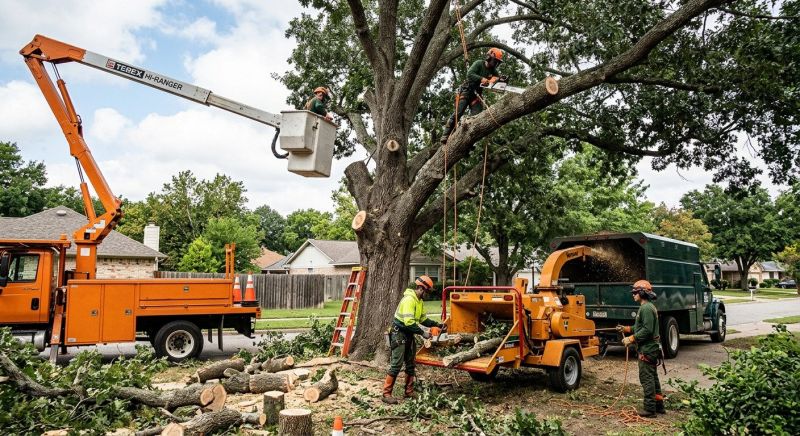
A dead or dying tree can pose safety risks and may affect property value.
Safety Considerations For Dead Tree Removal
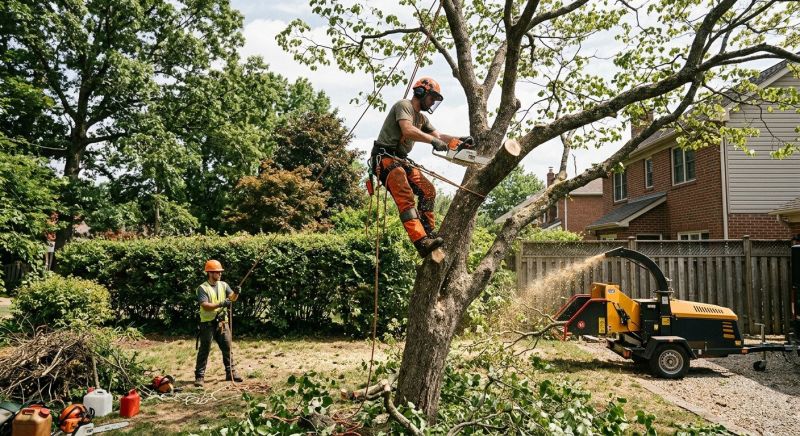
Removing dead trees helps prevent damage to nearby structures and reduces hazards.
Benefits Of Professional Dead Tree Removal
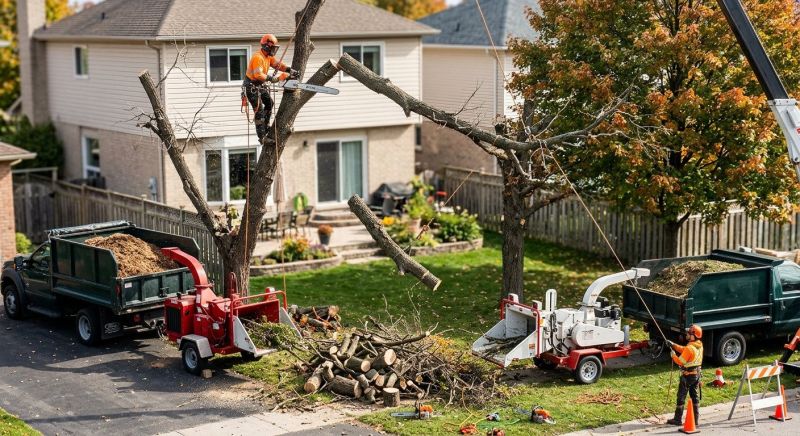
Expert removal ensures proper disposal and minimizes impact on the surrounding landscape.
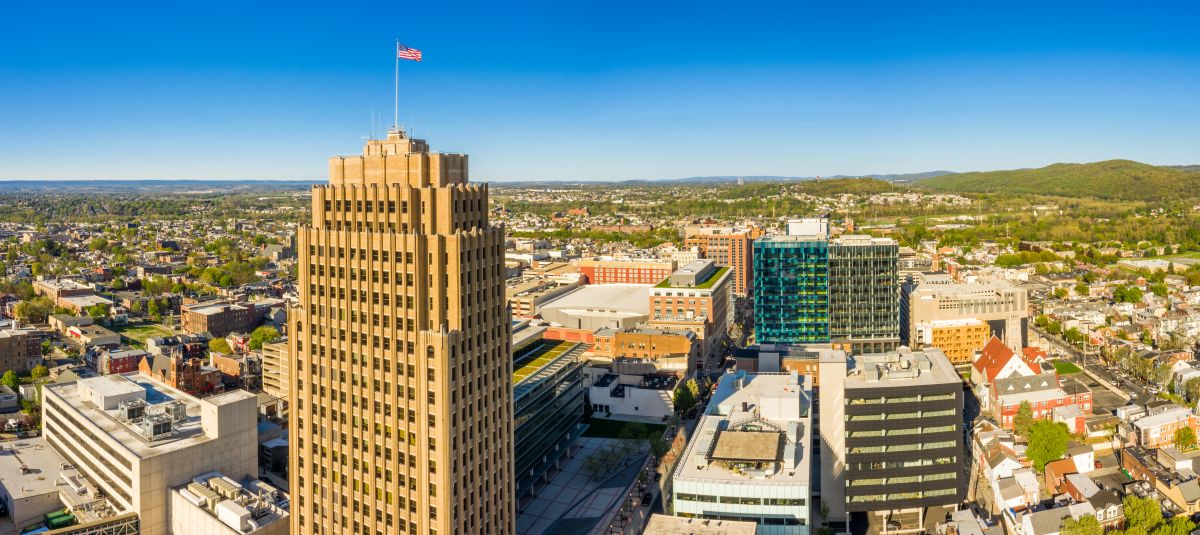
Dead Tree Removal in Allentown, PA
Dead tree removal services involve the safe and efficient removal of trees that are dead, dying, or pose a risk to surrounding property or structures. These projects typically include assessing the tree’s condition, planning the safest way to remove it, and performing the removal while minimizing impact on the surrounding landscape. Property owners often request this service when a tree shows signs of disease, extensive decay, or has become unstable, especially near homes, driveways, or power lines. Understanding the scope of the project, including potential impacts on the landscape and any necessary cleanup, helps homeowners make informed decisions about proceeding with removal.
Before requesting dead tree removal, property owners should consider the size and location of the tree, as well as any potential hazards during the removal process. It’s important to evaluate whether nearby structures, power lines, or other trees could be affected, and to understand the cleanup process afterward. Clarifying these details ensures that the removal is handled safely and efficiently, reducing the risk of damage or injury. Proper planning and communication can help ensure the project aligns with property goals and safety considerations.
Many property owners in Allentown, PA look into Dead Tree Removal for repairs, replacements, upgrades, and appearance-related improvements.
Common Dead Tree Removal Jobs
Dead Tree Removal - safely removes hazardous or decayed trees to protect property and safety.
Stump Grinding - eliminates remaining tree stumps to improve landscape appearance and prevent regrowth.
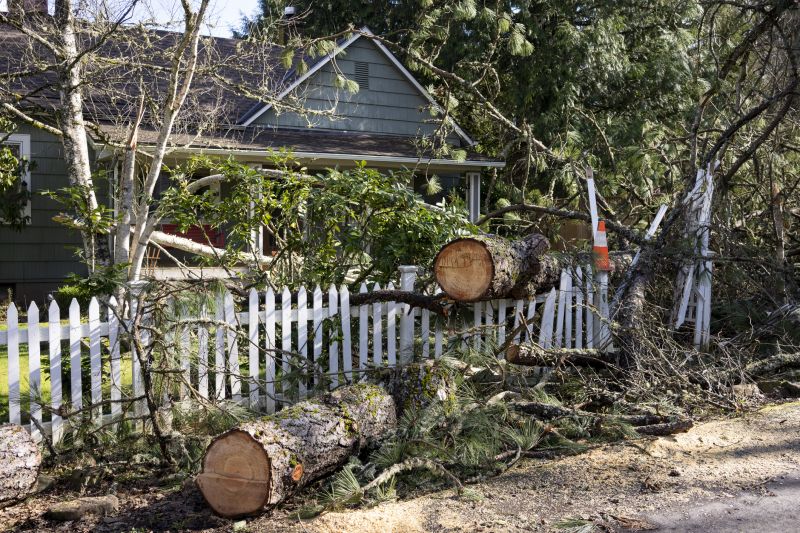
Emergency Tree Removal - handles urgent situations involving fallen or dangerously leaning dead trees.
Selective Deadwood Removal - removes dead branches to enhance tree health and reduce risk of limb failure.
Property Clearing - clears dead trees and debris to prepare land for landscaping or construction projects.
Tree Crown Thinning - reduces dead or damaged branches to improve tree stability and airflow.
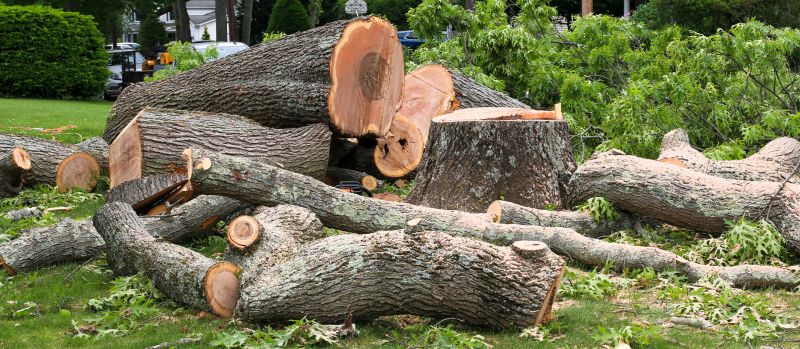
Dead Tree Removal Questions
Why should dead trees be removed? Dead trees can pose safety hazards, block sunlight, and affect the health of surrounding plants or structures.
What signs indicate a tree may need removal? Symptoms include dead or dying branches, trunk decay, or leaning significantly in one direction.
Is it necessary to remove a dead tree near a structure? Yes, removing dead trees close to buildings helps prevent potential damage or injury caused by falling limbs.
What types of trees are commonly removed as dead trees? Any tree species can become dead or hazardous, including deciduous trees like maples and oaks, as well as evergreens.
Request Dead Tree Removal in Allentown, PA
Use the quote form on this page to share the basics of your project and request more information for the type of work you need.